
Ultimate Review: The Best 10 Dog Kibbles in Canada & USA (2026 Data-Driven Rankings over 60 Dog Food Brands & 103 Formulations)


Data-Driven Rankings: Which Dog Kibble Brands Lead in Canada
Good nutrition is the foundation of a healthy dog. But with shelves full of “premium” and “veterinarian-recommended” kibbles, how can pet parents know which brands actually use quality ingredients—and which rely on marketing hype?
Unlike most lists that rank “Top 5 Dog Foods” based on opinion or sponsorships, we took a data-driven approach. Our team reviewed 60 dog food brands and 103 kibble formulations across Canada and the USA, evaluating ingredient panels, processing methods, and manufacturing transparency.
We didn’t include price or medical conditions—this review focuses solely on the healthiest dry dog food options based on ingredient integrity and nutritional value.
Below, we share our findings: the best dog kibbles, the worst offenders, and how to evaluate what’s really in your dog’s bowl.
Quick Summary (2026 Update)
Since our 2025 kibble list, we’ve updated our kibble review/ analysis model to
- Put more emphasis on using fresh ingredients and less emphasis on digestibility as a few kibble manufacturers make this available.
- Award better rankings based on Protein % in the Nutritional Analysis.
- We also added some new kibble brands like Charm, Square Pet and new formulations like Acana Healthy Grains and Orijen Amazing Grains.
The results have been quite interesting.
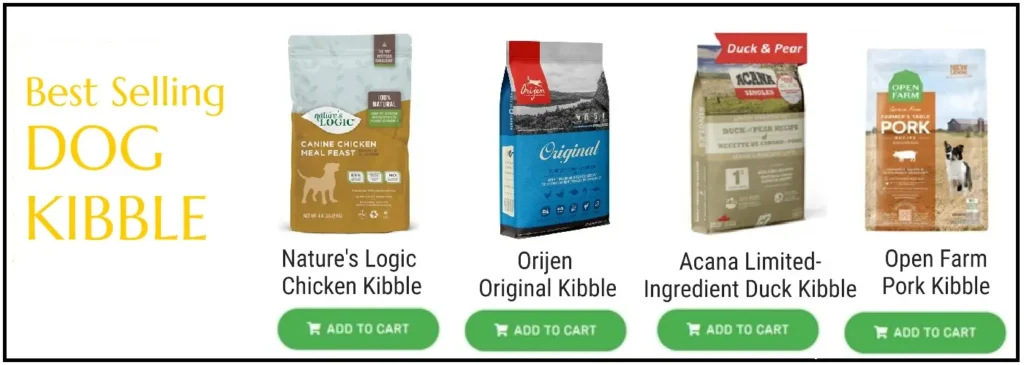
Best Dry Dog Food Brands: Orijen, Sunday Pets, Carna4, Coevo, Nature’s Logic, Acana, Petkind and Canadian Naturals
Healthiest Kibble Type: Oven-baked, whole-food, synthetic-free but formulation matters.
Worst Pet Food Offenders: Royal Canin, Hills Science Diet, Purina, Iams, Blue Buffalo
Key Metric: Ingredient quality & nutritional label over marketing claims
Jump Links
10 Best Dog Kibble | Best Grain-Free Dog Kibble | Best Grain-inclusive Kibble | Worst 24 Dog Kibble
Key Insights: What We Discovered About Dog Kibble Quality
- Currently, the best 10 dog kibble formulations are from the following dog food brands below. When we say the best, we are focusing on the healthiest dog food by quality and more.
- Based on the ingredient panel, smaller manufacturers seem to use better ingredients than larger companies. The large companies included Mars Inc. (manufacturer of Royal Canin, Nutro & Iams), Nestle (manufacturer of Purina Pro Plan) and Colgate-Palmolive (manufacturer of Hills Science Diet).
- The Worst 24 dog kibble included Nutro, Purina Pro Plan, Hills Science Diet, Royal Canin, Blue Buffalo and Iams. These fall under the dog food brands to avoid despite so-called expert suggestions.
- Larger manufacturers like Nestle and Mars Inc. through Iams, Purina Pro Plan, Royal Canin and Hills Science Diet were more likely to have questionable ingredients.
- Larger manufacturers like Nestle and Mars Inc. used questionable practices/advertising through brands like Iams, Purina Pro Plan and Hills Science Diet.
Top 10 Dog Kibbles with Superior Ingredients (Canada & USA)
The best 10 dry dog food brands scored higher because they were more whole foods/ synthetic free in their formulation. This means they are healthy dog food compared to all the others.
The number 1 ranked dog food was Orijen Original for another year in a row. The best dog food Canada and the USA in 2025 were the dog kibble brands and formulation shown below.
The kibbles in the top 10 dog food brands which were not synthetic free, used mostly chelated minerals/ proteinates. They were also more likely to use pre- and pro-biotics.
2 out of the 103 dog kibble formulations provided protein digestibility information publicly. The two companies were Orijen and Nulo for a few formulations.
Surprisingly, we found that 1 of the top 10 kibble formulations had carbohydrates slightly above 35%. Carna4 Chicken was that brand. Generally, we suggest avoiding kibble that contain more than 35% carbohydrates as carbs are cheaper to buy and store than proteins. However, other factors positively pushed them into the top 10 rank such as oven baked and wholefoods based.
Best 10 Grain-Free Dog Kibbles in Canada
We put together a list of the top 10 grain-free dog kibble on the market. We agree with holistic vets like Dr Karen Becker that grains are not a biologically appropriate ingredient for dogs although they are capable of digesting carbs. The best grain-free dog kibble are ranked below.
Looking for a deeper breakdown? Explore our complete grain-free dog kibble rankings, where we explain exactly what sets these brands apart and why they earned their spots at the top.
Best 10 Grain-Inclusive (With Grains) Dog Kibbles
While we don’t consider grains to be biologically appropriate for dogs, it’s also important to note that potatoes and other common kibble binders aren’t natural canine foods either. That said, given the ongoing concern around DCM, many pet parents are actively seeking grain-inclusive options.
Regardless of where we stand on the DCM debate, the following are the top 10 grain-inclusive dog kibbles based on our independent research and formulation analysis.
Looking for a deeper breakdown? Check our whole guide on grain-inclusive dog kibble rankings, where we explain exactly what sets these brands apart and why they earned their spots at the top.
Best Natural Dog Kibbles – No Synthetic Ingredients or Vitamin Premix
We also created a list of the best natural dog kibble options on the market that are free from synthetic ingredients. These formulas are based on whole foods, which the body utilizes more effectively than isolated synthetic additives.
This distinction matters because some pet food recalls have been linked to over-supplementation of synthetic ingredients, resulting in issues such as vitamin A or vitamin D toxicity.
Out of 103 kibble formulations, only two brands: Carna4, which is oven baked and Nature’s Logic met this standard—and both also ranked among the top 10 best dog kibbles overall.

Why Digestibility Matters in Dog Kibble Quality
In using protein digestibility as a scoring factor, we focused on what ultimately matters most when any food is eaten: how much is actually absorbed and used by the body. For dogs, the crude protein listed on a label does not represent the amount of protein they truly receive. What matters are the biologically appropriate amino acids that come from meat and how efficiently those nutrients are digested. Digestibility data therefore provides a much clearer picture of what a dog is actually obtaining nutritionally on average.
Digestibility can be explained simply. If a dog eats X grams of food and produces Y grams of stool, the difference (X – Y) represents what was digested and absorbed. For example, if a dog eats 454 g of food and produces 100 g of stool, roughly 354 g was digested, or about 78% digestibility. You can then multiply the crude protein percentage by 78% to estimate how much protein the dog is actually absorbing. This is also why consistently large stool volume often indicates poor nutrient utilization. Big poop is not healthy poop.
This information also matters because not all protein is equally digestible or bioavailable. Protein quantity alone doesn’t tell you how much your dog can actually use. In theory, a manufacturer could add a protein-rich material e.g. such as leather that offers little nutritional value. While leather is not used in pet food, the example illustrates the problem clearly. Crude protein can be inflated in many ways using lower-quality or poorly digestible ingredients, which is why formulation quality and ingredient panels matters.
The risks of relying solely on crude protein were made clear in 2007, when ingredient suppliers intentionally contaminated wheat gluten & rice protein with melamine to inflate the Crude Protein amounts. See the FDA case here. Ingredient panels would show a high Crude Protein, yet the food proved deadly. Melamine combined with cyanuric acid in pet food to to become toxic causing widespread pet illness and death in cats and dogs that ate contaminated food.
Detailed Review: Best 10 Dog Kibble Formulas (2026)
Based on our evaluation framework, we expected Orijen, Carna4, Nature’s Logic and Acana would rank near the top. We assess every pet food using the same evidence-based criteria e.g. ingredient sourcing, formulation integrity, processing methods, and nutrient panel.
These brands have consistently performed well across those measures. This comparison simply reaffirmed patterns we’ve observed over years of product review rather than introducing unexpected results.
PetKind was a more notable exception. Some of their earlier formulations had not scored as strongly in daily practice. In 2014, their formulations in practice seemed to cause a bit of diarrhea probably because it was too rich. Since, then they seem to have tweaked it as reviews on Petkind Tripe Dry praise the digestibility. We are not fans of ingredient splitting used with legumes to boost Protein content. As the FDA has pointed out, they SUSPECT but do not know how legumes affect heart disease. We also dislike peas as we’ve seen dogs with food sensitivities to peas. Even with these limitations, PetKind’s formulations demonstrated stronger overall nutritional balance and ingredient intent than many competing products in this category.
Side note: Mars Inc is acquiring Orijen and Acana which is ranked in the best kibble formulations meaning that a large corporation now controls some of the worst brands as well as some of the best kibble brands on the market. We have not seen any changes in the way Orijen and Acana are manufactured meaning that Mars is dipping its toes into both markets and making money either way.
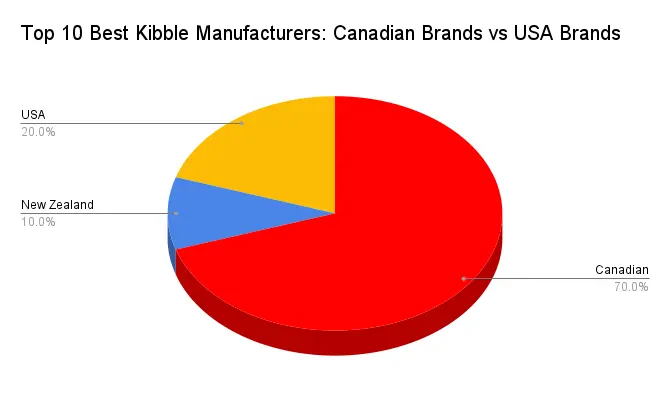
Out of the top 10, surprisingly majority were Canadian dog food brands, some being USA Pet Food brands and 1 brand out of New Zealand.
Worst 24 Dog Kibble Formulations – What You Should Avoid
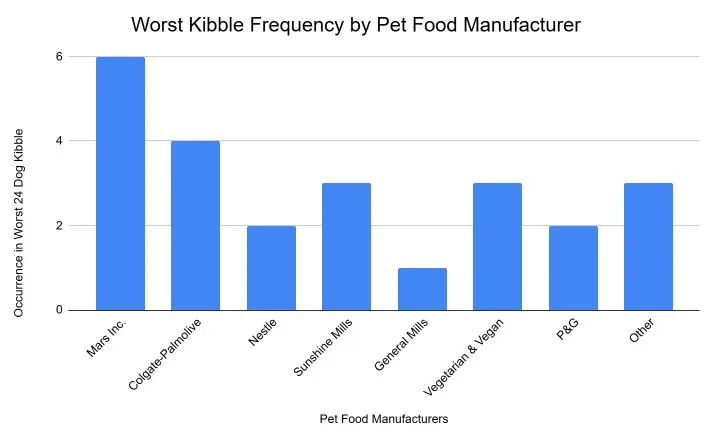
Out of the 24 worst dog kibble/ dry dog food formulations, we found that these dog kibble manufacturers scored poorly on quality ingredients. This was the case even though most of them are prescription diets.
Based on the guaranteed analysis, most of these pet food manufacturers used 39% to 54 % carbohydrates in their formulations. This is a substantial carbohydrate load. While dogs can metabolize carbohydrates, diets at this level are not biologically aligned with how dogs are designed to eat. In practice, high carbohydrate content often reflects the use of lower-cost ingredients that are then balanced with synthetic vitamin and mineral premixes. Carbohydrates tend to be cheaper to store, package and transport, which means more carbohydrates in kibble results in BIGGER profit for manufacturers.
Vegetarian and vegan diets scored poorly overall as meat is an important component for a dog to thrive. Animal-based protein remains a critical nutritional component for dogs to thrive, both in terms of amino acid balance and bioavailability. That said, some vegetarian and vegan formulas still performed better nutritionally than certain formulations from large multinational brands such as Royal Canin, Iams, Purina, and Hill’s Science Diet when ingredient panels were reviewed closely.
Based on ingredient quality, formulation practices, and reliance on fillers, brands we generally recommend avoiding or approaching with caution include Royal Canin, Iams, Purina and Hills Science Diet.
A related concern across all extruded kibble is the formation of acrylamides, which can occur when grains, vegetables, and potatoes are processed at high temperatures. This issue is amplified in vegetarian and vegan kibbles due to their heavier reliance on plant-based ingredients. According to the FDA, acrylamides have been shown to cause cancer in animals exposed to very high doses. Because dogs and cats often eat the same food daily for long periods, cumulative exposure remains a valid consideration when evaluating long-term dietary choices for vegetarian and vegan pet kibble.
Prescription diets scored poorly overall. Prescription or “veterinary” diets are marketed as foods intended to support specific health conditions, but they occupy a complex regulatory space under U.S. law. The Federal Food, Drug, and Cosmetic Act defines foods and drugs separately, and products that are labeled as intended to treat or prevent disease can technically meet the statutory definition of a drug.
However, the majority of prescription pet foods on the market have not been approved by the FDA as drugs nor subjected to the rigorous safety and efficacy evaluations required for animal drugs, even though they are often marketed with therapeutic claims.
Federal courts have acknowledged that such products are treated as drugs under the law but lack formal approval and the associated manufacturing standards required of true drug products, including registration and compliance with current good manufacturing practices applicable to drugs. They technically break US federal law as they are advertised as drugs although the food is not manufactured like a drug or approved as one. The FDA just overlooks the law with a compliance policy.
In practice, prescription diets have been involved in notable recalls and safety concerns. For example, in 2019, Hill’s Pet Nutrition voluntarily expanded it recall for prescribed canine diets due to Vitamin D Toxicity. More recently, in 2023, Purina voluntarily recalled select lots of Purina Pro Plan Veterinary Diets EL Elemental dry dog food due to potentially elevated vitamin D that was linked to symptoms of vitamin D toxicity, with affected dogs recovering once the diet was discontinued.
These cases highlight that even diets formulated for specific health conditions are not immune to misformulation or safety issues. Prescribed canine diets in general are often in recalled pet food lists. Note that some of these prescription diets are not meant for long-term feeding e.g. urinary, weight etc. However, in practice they are and the ingredient quality controls and nutritional labels are important rather than relying on the “prescription” label or marketing claims.
Common Controversial Ingredients Found in Kibble Brands
To be thorough, we reviewed each dog food’s ingredient panel for substances that have been associated in the scientific literature with potential carcinogenic effects or with liver and kidney damage.
Ingredients that raise concern in these categories include butylated hydroxyanisole (BHA), butylated hydroxytoluene (BHT), ethoxyquin, nitrites and nitrates, sodium tripolyphosphate, and propylene glycol. In practice, it is increasingly rare to see these listed openly on dog food labels, as manufacturers are well aware that pet parents actively avoid them. Including such ingredients directly on a label would significantly undermine consumer trust.
However, this does not entirely eliminate risk. If a manufacturer’s ingredient suppliers use these substances during processing, there is currently no legal requirement for pet food companies to disclose that information on the final ingredient panel. As a result, the absence of these additives on a label does not always guarantee they were never used upstream.
With the exception of menadione (synthetic vitamin K), which still appears on some labels, the other additives are difficult to find explicitly listed in modern dog kibble. Formulas that ranked lower in our evaluation were more likely to include two or three ingredients from our Naughty Ten Pet Food Ingredients to Avoid.
How We Ranked Dog Kibble: Transparent, Measurable Framework
The framework starts with publicly available information as this is the same starting point for all pet parents. We evaluated the best dog kibble food by:
- Firstly, choosing a variety of dog food including grain-free kibble, grain-inclusive kibble, vegetarian and vegan kibble to prescription dog food.
- To control for the variety of proteins, we settled on mostly the chicken based formulations of these pet foods. The kibble had to be adult or all life-stage formulations.
- As vegetarian or vegan dog foods are being marketed to consumers as alternatives for meat protein diets, we picked their basic lines.
- We also included oven-baked dry foods which are not technically kibble as they are marketed to consumers as alternatives.
- For comparisons across dry dog food recipes, we took out the moisture in the Guaranteed Analysis and converted to a dry matter basis.
Note: This framework does not evaluate whether dogs with particular health conditions would benefit from vegetarian or prescription vet diets. Our definition of premium dog food is the best, healthy dog food.
Why Meat Content Counts: Understanding Biologically Appropriate Nutrition
We start the framework off with the simple statement that a dog is a carnivore. Their physiology reflects this: teeth designed for tearing meat and crushing bones, digestive tracts optimized for mostly animal-based diets with a low fermentation capacity, highly acidic stomachs, and minimal salivary amylase.
It is important to note that dogs are adaptable to carbohydrates, unlike cats which makes them capable of utilizing carbohydrates in kibble. To make kibble, you need some carbohydrate (e.g. grains or no-grains such as potatoes) to hold the dough together. You can read more about how kibble is made here.
However, survivability is not the same as optimal nutrition. While dogs can eat plant matter and are sometimes classified as omnivores, feeding high-carbohydrate diets takes advantage of this adaptability rather than prioritizing what is best for their biology. The real question should always be what supports optimal canine health, not merely what dogs can survive on.
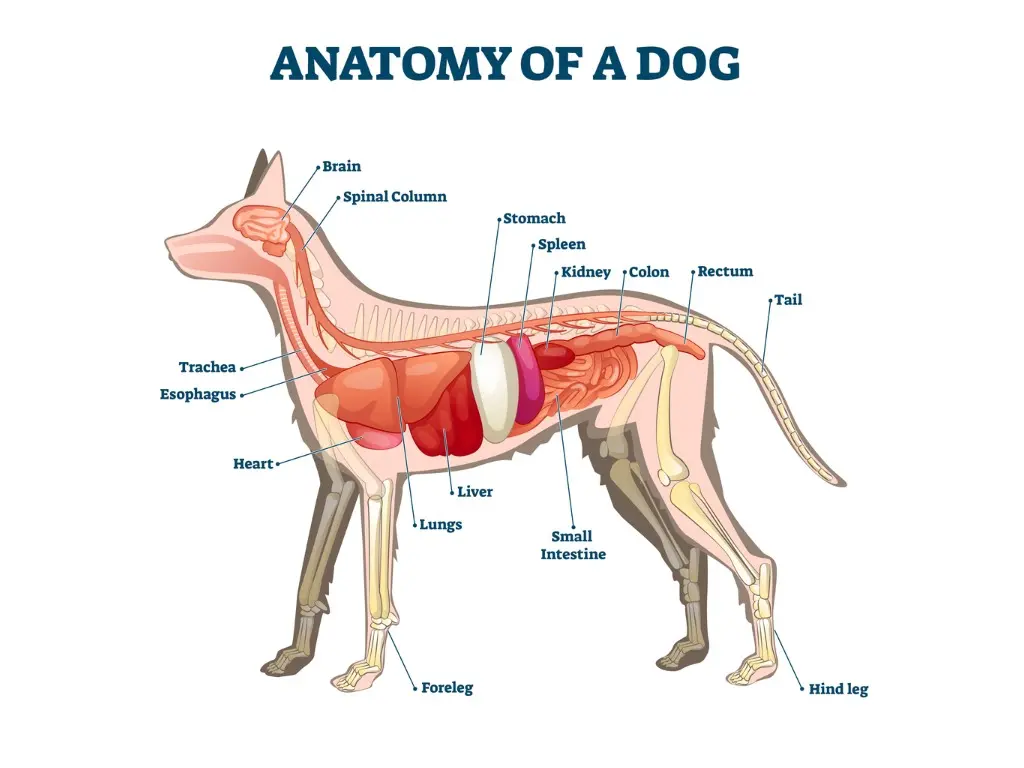
For this reason, we recommend dogs foods rich in animal-based protein as this is more biologically appropriate for dogs and bioavailable. The key consideration is the amino acid profile derived from quality meat, which is what truly supports your dog’s health. For a deeper dive into pet food nutrients, see our Ultimate Guide to choosing the best pet food.
Our Quality Criteria: What Makes a Kibble Truly “Good”?
This framework is trying to evaluate what is best dog kibble brand and formulation for the average dog. We start with putting the health of the dog first without considering other factors.
We use the following variables:
- Quality ingredients and how the food is processed – this variable evaluates whether the dog kibble uses fresh ingredients. Is the pet food organic or synthetic ingredient free? It also evaluates if the food uses lower temperatures in processing food as this maintains better nutrients.
-
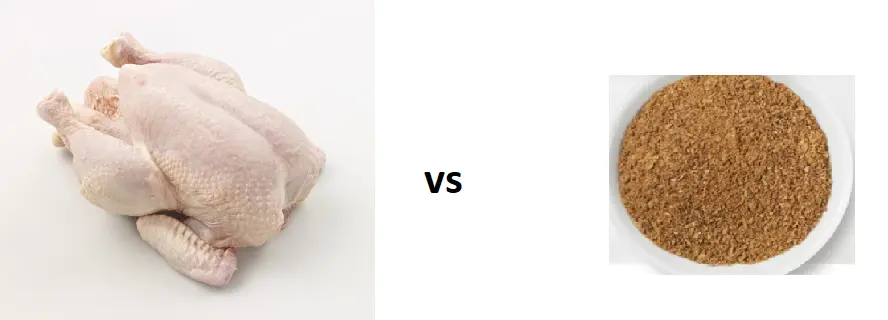
- Note that more vitamins and minerals does not equate to good pet food. In actuality, extrusion results in loss of vitamin A, B, C and some minerals. In the Ultimate Guide to choosing the best pet food, we discuss the impact of high temperatures on depleting lysine, taurine, fatty acids, enzymes.
- Synthetic free pet foods are better. “The importance of eating whole foods and avoiding synthetics cannot be overstated. The body is programmed to recognize actual food, and when the immune system detects chemicals, lab-made ‘foodstuffs’ like isolated soy protein, or the synthetic vitamins used in all ‘vitamin premix’, it sends out signals for the body to protect itself as it sees these molecules as invaders. This sets off inflammation…and chronic inflammation kills. It is that simple. A diet of whole foods will stave off illness and vulnerability, preserving the life and health of your pet ( and yourself) for many years to come.” Carna4 Inc.
- When pet food manufacturers supplement minerals, better brands will also use mostly proteinates vs inorganic minerals.
-
- Ingredient Panel – we evaluated how much protein is available in the dog food. Relatively higher levels of animal protein corresponding with better quality dog food. Although dogs are adaptable to carbohydrates, it is not a biologically appropriate based on the dog’s physiology. Dr. Becker has also written about it. More importantly, we evaluated whether the brand provided public information about the protein digestibility and if it higher than 82%. Protein digestibility explains what your dog is actually getting from pet food.
- See our Comprehensive Guide to Understanding Dog Food Labels for more info on reading dog food labels and protein digestibility.
- Questionable Ingredients – under this variable we deducted points from kibble formulations that used unidentifiable meat sources. We also gave negative points for kibble with ingredients that have higher glycemic loads such as white rice and potatoes. Dry pet food that also utilized grains were also affected. Formulations with grains have the risk of aflatoxins. At high levels, these can cause liver damage and death in pets. We also deducted points for dog kibble brands which used over 50% of their protein from plant matter. This tends to be the case for vegetarian and vegan dog foods. Our NAUGHTY LIST details ingredients that are not good for your dog and these got negative points.
- Questionable Practices/Advertising– this variable evaluated practices where manufacturers used various methods to deceive consumers. We looked at the dog kibble ingredient panel and advertising on the bags. We penalize brands for having recalls.
- Ingredient splitting to window dress the panel is deceptive marketing and penalized.
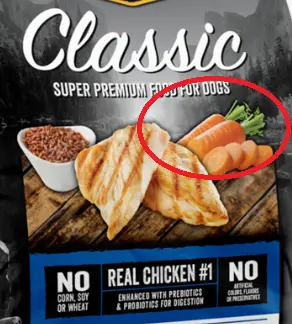
- Brands showing fruits and veggies on the dog kibble bag when these ingredients are listed after salt are meant to deceive customers. (Salt Divider Rule)
- We consider showing roasted/ grilled meats when that is not the form put in pet food as deceptive marketing.
Turning Subjective Assessment into Measurable Metrics
As this is a scored qualitative study, we started with the variables above and broke them down into individual components. For example, for Quality of Ingredients, we’d ask if the ingredient panel had probiotics or was synthetic free. The study assigns each of these individual variables a score for Yes (Y) or No (N) based on the importance of the variable.
For each Y or N, the study calculates average points by polling staff to score individual variables as pet parents. This attempts to minimize any inherent biases.
Ingredient Labeling Pitfalls: What Pet Owners Should Watch For
Although the ingredient panel is useful for giving you a standardized list by weight of the ingredients.
- It does not tell you anything about the quality of the ingredient or the sourcing of the pet food. For example, “Chicken” means fresh chicken but it does not tell you how Fresh is the chicken. It also does not tell you if the chicken is free range, non-medicated. Neither does it tell you if it is a USA product or imported from China.
- The ingredient panel also does not tell you how much of each ingredient is in the product. By weight, we know the ranking in a panel. For example, in a panel “Chicken, Peas, White Rice, Pea Protein.” We know what comes first but we don’t know if Chicken is 20%, Peas 18%, White Rice 15%, Pea Protein 10%.
- If above is plausible, then Pea +Pea Protein = 28% is 1st ingredient and Chicken with moisture will move down.
- The manufacturer window dressed ingredients to move pea protein which is not as desirable down in the list.
Canine DCM & Kibble: Grain-Free vs Grain-Inclusive – What You Should Know
We’ve been hearing of vets asking dog owners to add grains to their pet’s food due to canine heart disease or food-related Dilated Cardiomyopathy (DCM).
Is Grain Necessary in Dog Diets? A Balanced View
Do dogs need grain in their dry food? The answer is NO.
Unfortunately, these vets seem to be behind the news and giving customers a worrisome knee jerk reaction. The FDA has backpedaled and said that they are not sure what is causing non-hereditary DCM. Having grains in the food or not is not reason for DCM.
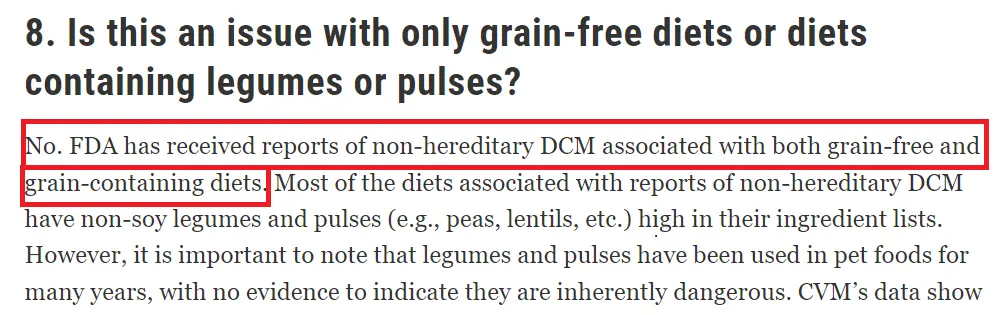
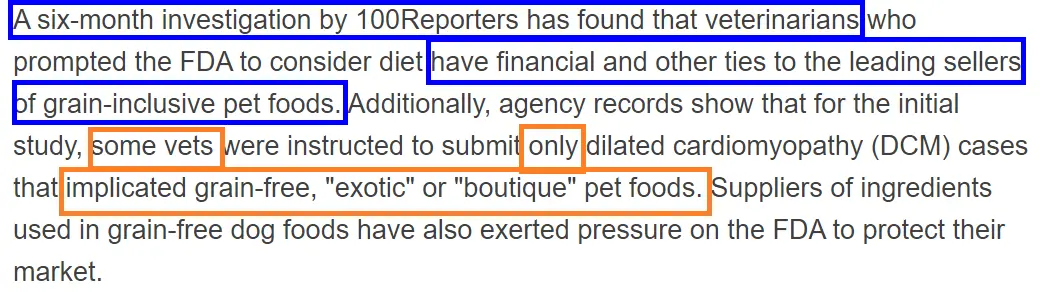
A 2022 journalist investigation found the “veterinarians who prompted the FDA to consider diet have financial and other ties to the leading sellers of grain-inclusive pet foods.”
Preventing Diet-Related DCM: Practical Tips for Pet Parents
- Choose a good whole foods-based dog food and rotate your proteins.
2. Add seafood to your pet’s meal once a week or omega-3 fatty acids  .
.
Final Takeaways: How to Choose the Best Dog Kibble for Your Dog
Our research revealed that many dog kibble often promoted by newspapers or pet websites are actually mediocre when it comes to ingredients used. Brands like Taste of the Wild, Wellness Kibble, Ultra Performatrin kibble, Blue Buffalo, Go kibble, Fromm Gold line were in the middle of the pack.
On the other hand, the top 25 formulations of dog kibble included Orijen Classics, Acana Classics, Zignature Zssential, Bixbi Rawbble, Stella & Chewy’s Wild Red Raw, some Open Farm Dog Food Homestead and Farmina’s N&D Prime lines.
Below is our comprehensive ranking of 60 Brands and 103 Formulations, ranging from the best dry dog food brands to the lowest-rated dog kibble formulation.
4 Simple Additions to Boost Your Dog’s Kibble Nutrition Naturally
For every pet parent, understanding what goes into your dog’s bowl starts with reading the ingredient panel. We also encourage requesting that kibble manufacturers provide protein digestibility information. Knowing digestibility, along with the proportion of energy coming from carbohydrates, proteins, and fats, gives a clearer picture of what your dog is actually consuming.
To further support your dog’s health, consider adding the following to their kibble at least twice a week:
- Add omega 3s in the form of fish oil/ krill oil to help with heart health, brain function, skin, coat and joint health.
- Soak your dog food with water or bone broth. It ensures your dog is ingesting a good amount of water daily which will help with kidney health later.
- Consider adding probiotics to your dog kibble for better digestion and health or try any fermented goat milk.
- Add fresh food whenever possible but not in the same meal as kibble.
- Blanch fresh vegetables from your kitchen. This makes vegetables easier to digest but ensures you do not cook away the nutrition e.g. kale, celery, zucchini
- Provide your dog with fruits in moderation e.g. apples, blueberries, cranberries, strawberries.
Grain-including, Grain-Free Dog Kibble FAQs
Is grain-free kibble bad for dogs?
Not necessarily. It depends on the formulation. Despite the panic over DCM (Dilated Cardiomyopathy), there’s no solid evidence showing that grain-free diets cause heart disease in dogs. The FDA itself has backtracked and stated it’s unclear what factors contribute to DCM.
If you choose a grain-free kibble, pick one that’s meat-rich, high in protein digestibility, and uses whole-food ingredients rather than plant fillers or synthetic premixes.
What’s the healthiest dog kibble brand in Canada?
Based on our review of over 51 brands and 96 formulations, the healthiest kibble brands in Canada are those using whole-food, minimally processed ingredients and avoiding synthetic additives.
The top performers in 2025 included:
Orijen Original – high meat content, great digestibility.
Carna4 – oven-baked and synthetic-free, made from real food.
Nature’s Logic – nutrient-dense with natural food-based vitamins.
Acana Grain Free – high meat content with limited synthetic vitamins.
How much carbohydrate should dog kibble have?
We recommend choosing kibbles with under 35% carbohydrates on a dry matter basis.
Why? Because carbohydrates are cheap fillers — they increase profit margins but don’t serve your dog’s biological needs. Dogs are carnivores that can digest carbs, but too much starch reduces protein digestibility and may promote inflammation or obesity.
How did your brand stack up? Are you surprised? Still unsure which kibble suits your dog best? Reach out at contact@moonlightpetstore.com for personalized nutrition help. For information on the best raw brands review, look here.


We’ve been giving our 2yr old Orijen Original but she doesn’t seem to like it as much lately and I’ve noticed the colour and texture of the kibble has changed a bit from when we first started buying it. Also I read that the company has been bought by Mars. Just wondering if you have any knowledge of formula or ingredient change.
Hi Rick, thanks for reaching out. (Sorry for the late response, we had an issue receiving comments). As far as we know there has been no change in the formula or ingredient change. Mars seems to not messing with a good thing…. yet. Typically, from batch to batch you’d expect to see some colour change as they are not adding any artificial colour to a good food like this. The colour will be dependent on the raw materials going in not some artificial colouring agent. Texture should also be fairly similar. In your case, have you fed your 2 year old dog the same food for a long period of time? If that is the case, she’s bored with it. An equivalent would be you eating grilled chicken for every meal for a long time, you’d get sick of it. We normally recommend rotating foods so pick maybe 2 different formulations of Orijen e.g. Regional Red (red meats) and feed 1 bag and then switch back to the Original and feed 1 bag etc. It tends to be better nutrition as well.
Hi! We’ve been feeding our dog Acana, and have noticed that she doesn’t really like it anymore. A dachshund not wanting her breakfast is unusual! When I went to their website, and the website of where we purchase it, I’ve noticed that there have been others leaving bad reviews in the past few months. Typically, the reviews are that their dogs used to love this brand, but now won’t eat it, or are developing issues (skin/digestion/etc). Maybe there is something that has changed with the processing of the food. I’m wondering if it is the brand, which would such a shame. Just a thought.
Hi Deb,
We’ve not had that feedback yet. We do not know your dachshund but here are a few thoughts that if you have not tried might help.
1) Have you fed your dog the same Acana for a while? It may be bored of that particular protein combo. The analogy we often use is that it may be like going to the same cook all the time. If they make the same food, it can get boring. We understand that people assume dogs don’t have that characteristic but it does happen.
2) Start with samples of a different Acana or Orijen and see if your dachshund likes that flavour. We normally recommend rotation of proteins as it is better nutrition and secondly, prevents the “bored of this food” issue.
3) Hopefully, you’ve checked to make sure your dachshund is not ill as that may also be a cause of not wanting to eat.
Let us know how it goes.
Hi Peter, we picked a number of brands to go through and didn’t have Canadian Naturals on our list. We’ll update our list this year and add Canadian Naturals so you can see the comparison. Thanks for bringing this to our attention.
I confronted Orijen Original composition in October 2022 (pre Mars acquisition) with the actual one:
October 2022:
Chicken, turkey, flounder, whole mackerel, chicken liver, turkey giblets (liver, heart, gizzard), whole herring, eggs, dehydrated chicken, dehydrated turkey, dehydrated chicken liver, dehydrated egg, dehydrated mackerel, whole red lentils, whole pinto beans, chicken fat, whole green lentils, whole navy beans, whole chickpeas, lentil fiber, natural chicken flavor, whole peas, pollock oil, pea starch, chicken heart, whole pumpkin, whole butternut squash, collard greens, whole apples, whole pears, whole cranberries, dried kelp, salt, zinc proteinate, mixed tocopherols (preservative), vitamin E supplement, thiamine mononitrate, calcium pantothenate, copper proteinate, dried chicory root, turmeric, sarsaparilla root, althea root, rosehips, juniper berries, citric acid (preservative), rosemary extract, dried Lactobacillus acidophilus fermentation product, dried Bifidobacterium animalis fermentation product, dried Lactobacillus casei fermentation product.
Metabolizable energy is 3940 kcal/kg (473 kcal per 8oz. cup) with 39% from protein, 20% from carbohydrates, and 41% from fat.
ORIJEN Original Dog Food is formulated to meet the nutritional levels established by the AAFCO Dog Food Nutrient Profiles for All Life Stages, including growth of large size dogs (70 lb. or more as an adult).
GUARANTEED ANALYSIS
Crude protein (min.)
38%
Crude fat (min.)
18%
Crude fiber (max.)
4%
Moisture (max.)
12%
Dietary Starch (max.)
18%
Sugars (max.)
1.3%
DHA (Docosahexaenoic acid) (min.)
0.2%
EPA (Eicosapentaenoic acid) (min.)
0.2%
Calcium (min.)
1.4%
Phosphorus (min.)
1%
Omega-6 fatty acids* (min.)
3%
Omega-3 fatty acids* (min.)
0.8%
Glucosamine* (min.)
600 mg/kg
Total Microorganisms* (min)
1 Million CFU/lb
(Lactobacillus acidophilus Bifidobacterium animalis Lactobacillus casei)
*Not recognized as an essential nutrient by the AAFCO Dog Food Nutrient Profiles.
Now:
Chicken, turkey, salmon, whole herring, chicken liver, dehydrated chicken, dehydrated turkey, dehydrated chicken liver, dehydrated egg, dehydrated sardine, chicken fat, whole red lentils, whole pinto beans, whole navy beans, whole green lentils, whole chickpeas, whole peas, turkey giblets (liver, heart, gizzard), eggs, natural chicken flavor, dried apple pomace, pollock oil, chicken heart, vitamin E supplement, whole pumpkin, whole butternut squash, collard greens, whole apples, whole pears, whole cranberries, dried kelp, salt, zinc proteinate, mixed tocopherols (preservative), niacin, thiamine mononitrate, calcium pantothenate, pyridoxine hydrochloride, riboflavin, folic acid, vitamin B12 supplement, copper proteinate, dried Bacillus coagulans fermentation product, dried chicory root, turmeric, sarsaparilla root, althea root, rosehips, juniper berries, citric acid (preservative), rosemary extract.
Metabolizable energy is 3940 kcal/kg (473 kcal per 8oz. cup) with 39% from protein, 20% from carbohydrates, and 41% from fat.
ORIJEN Original Dog Food is formulated to meet the nutritional levels established by the AAFCO Dog Food Nutrient Profiles for All Life Stages, including growth of large size dogs (70 lb. or more as an adult).
Guaranteed Analysis
Crude protein (min.)
38%
Crude fat (min.)
18%
Crude fiber (max.)
4%
Moisture (max.)
12%
Dietary Starch (max.)
18%
Sugars (max.)
1.3%
DHA (Docosahexaenoic acid) (min.)
0.2%
EPA (Eicosapentaenoic acid) (min.)
0.2%
Calcium (min.)
1.2%
Phosphorus (min.)
1%
Vitamin E (min.)
750 IU/kg
Omega-6 fatty acids* (min.)
3%
Omega-3 fatty acids* (min.)
0.8%
Glucosamine* (min.)
600 mg/kg
Total Microorganisms* (min)
100 Million CFU/lb
(Bacillus coagulans)
*Not recognized as an essential nutrient by the AAFCO Dog Food Nutrient Profiles.
Differences:
Now
Main sources: chicken, turkey, salmon, whole herring
Others: dehydrated sardine
2022
Main sources: chicken, turkey, flounder, whole mackerel
Others: dehydrated mackerel
Now
Contains Bacillus coagulans
100 million CFU/lb
2022
Contains Lactobacillus acidophilus, Bifidobacterium animalis, Lactobacillus casei
1 million CFU/lb
(single probiotic strain (Bacillus) at a much higher count VS multiple strains but with a much lower total CFU)
Now
No pea starch or lentil fiber
2022
Contains pea starch and lentil fiber
Calcium:
Now: 1.2%
2022: 1.4%
So: Is one better?
Hi Fran, keep us posted on what Champion Petfoods responds with. Just from looking at the ingredient list, sometimes these changes are made due to the availability of ingredients. I know for certain that a lot of pet foods are struggling to find a source for certain fish. Generally, multi strain probiotics are good but at a low CFU count, I’m not sure it is better than having a single strain with a higher CFU count. I prefer the pea starch and lentil fiber out probably replaced by the dried apple pomace. The guaranteed analysis looks pretty similar overall so I’d say on a macro level, you are still getting a really good quality kibble compared to most others on the market.