

How to Treat Kennel Cough in Dogs? Quick, Effective Ways to Treat Dog Kennel

What Is Kennel Cough in Dogs?
We just heard that some downtown Vancouver dogs recently got kennel cough. As a result, we thought it would be helpful to share some information on how to treat kennel cough in dogs.
According to the Merck Veterinary Manual, kennel cough, also known as infectious tracheobronchitis is a highly contagious respiratory disease in dogs. It results from inflammation of the upper airways in dogs. It is a mild, self-limiting disease but may progress to fatal bronchopneumonia in puppies or to chronic bronchitis in debilitated adult or aged dogs.
Kennel cough for adult dogs can be seen as the human equivalent of a chest cold. It can resolve itself without treatment although the hacking cough can sound terrible. There are various causes of kennel cough with the most common being the Bordetella bacteria.
Causes and Symptoms of Kennel Cough in Dogs
Causes of Kennel Cough:
- Bacterial: Bordetella bronchiseptica
- Viral: Canine parainfluenza, adenovirus type 2, sometimes canine influenza
- Co-infections are common, increasing the severity of symptoms.
- Stress, poor ventilation, and crowded environments (like kennels or daycare) make dogs more susceptible. The disease spreads rapidly among susceptible dogs housed in close confinement, such as veterinary hospitals or kennels and thus, it’s name.
- Kennel cough is spread through airborne droplets when infected dogs cough or sneeze, and through direct contact with contaminated surfaces.
Symptoms of Kennel Cough to Watch for:
- The hallmark clinical sign of kennel cough is a “goose honk” cough that may be followed by retching and gagging.
- Some dogs may sneeze or have a discharge.
- In some cases, additional signs may develop, including fever, purulent nasal discharge, depression, loss of appetite, and a productive cough, which could indicate progression to bronchopneumonia.
If your dog exhibits these severe symptoms of fever etc., it’s advisable to consult a veterinarian for proper diagnosis and treatment.
Should You Get the Bordetella Vaccine for Your Dog? Pros and Cons
The Bordetella vaccine can reduce the severity of kennel cough but does not guarantee full immunity. Although your dog may be vaccinated for Bordetella, it may still get kennel cough. This is because there is a wide variety of bacteria and virus that can cause the kennel cough. Most dogs that get the kennel cough may already be fighting a viral infection.
Bordetella is not one of the Core Dog Vaccines, we’ve talked about in the past and in addition, there may be side effects. An active infection may not be helped by getting the vaccine. Looking at the results of Dr. Schultz study on how long each of the canine vaccines last, you will see that Bordetella is good for about 9 months.
So why do most dog daycares require Bordetella before they take your dog? Simple. The Bordetella vaccine may reduce the severity of kennel cough, but it doesn’t guarantee complete immunity and it’s crucial for dogs in high-risk environments. The Bordetella vaccine still does not prevent your dog from getting kennel cough if it is from a different strain of bacteria or virus.
In addition, vaccinated dogs may still shed Bordetella, meaning they can infect other dogs for some time.
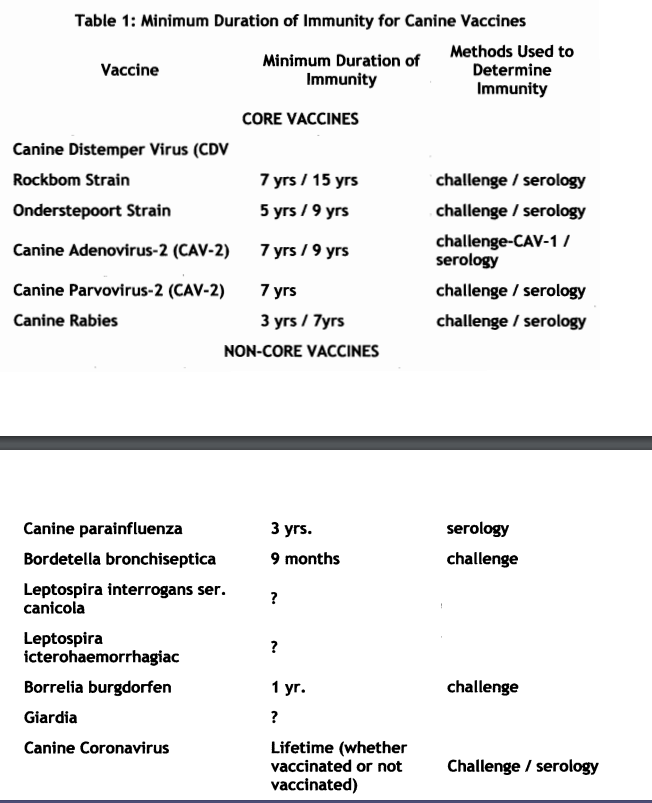
We generally prefer less drug intervention if it can be avoided especially because Bordetella vaccine does not guarantee full protection. This is however, a judgment call that every owner will have to make.
Treatment Options for Kennel Cough
- Isolate your dog — Kennel cough spreads easily, especially in confined spaces.
- Call your vet — Let them know you suspect kennel cough if you hear the ‘honking sound’ and dry coughing from your pet. They may want to isolate your dog from others in the clinic. Your vet’s office will give you a protocol to follow so that it does not spread to other dogs that may come into the vet’s office at a later date.
- Be ready with history — When symptoms began, whether your dog has been boarded, or exposed to other dogs. This helps the vet diagnose.
- Diagnostic tests — Your vet may do a physical exam, but may also order chest X-rays, or collect swabs for PCR or culture if pneumonia is suspected.
Kennel Cough Treatment Options (Veterinary + Medical)
Is there a cure for kennel cough? Technically, here is what vets will tell you:
- Many cases are self-limiting, meaning no treatment is required if signs are mild.
- Antibiotics are only given if there’s a risk or sign of secondary bacterial infection: commonly used ones include amoxicillin/clavulanic acid.
- Note that if you are using antibiotics that you should aim to replenish your dog’s gut with probiotics. A good option is this pet probiotic which is yeast based and so is not affected by antibiotics.
- Cough suppressants: For comfort, but not if pneumonia is present.
- Isolation: Dogs with kennel cough should be separated from other dogs.
If you find that your dog’s symptoms are not as serious and you want to manage this at home, see below for home remedies.
4 Effective Home Remedies: Treating Kennel Cough in Dogs Naturally

Isolate your dog since it is highly contagious. Kennel cough spreads very easily in close contact situations with other dogs. Here is what to do for kennel cough in terms of effective, gentle at-home strategies:
1. Steam Therapy / Humidifier
Use a humidifier in your dog’s resting area or bring them into the bathroom during a hot shower for 10–15 minutes. This helps loosen mucus and soothes their throat.
2. Herbal Pet Lung & Respiratory Remedies
NaturPet Lung Care (formerly Healthy Lungs): has great success in treating kennel cough in dogs. It is an oral remedy with active and preventative ingredients for respiratory conditions. Naturpet Lung Care helps clear your pet’s lungs and controls dry coughing.
Oregano Oil: Has antimicrobial properties, but must be diluted (e.g., 1–2 drops in coconut oil or a little honey) and used cautiously. You could use it in either of the following ways:
- Add one to two drops of oregano oil to 1 teaspoon of coconut oil to increase the treatment from both oils. The coconut oil makes the oregano oil taste less harsh for treating kennel cough in your dog.
- Add one to two drops of oregano oil to raw honey as this will also dilute the oregano oil and soothe your dog’s throat. Do not use honey for puppies due to risk of botulism.
- We’ve had doggy customers who’ve recovered in about two weeks using this treatment.
3. Coconut Oil
Has antibacterial, antiviral, and anti-inflammatory properties. Use 1/4–1 tsp per 10 lb of body weight, mixed with food.
4. Rest & Support
Provide a quiet, warm place for your dog to rest and recover. Use a harness instead of a collar to reduce pressure on the throat during coughing.
Prevention: How to Reduce the Risk of Kennel Cough in Dogs
- Vaccination: Especially for dogs at risk (boarding, daycare, social environments). Use the right Bordetella + parainfluenza vaccine.
- Good hygiene & disinfection: Clean shared areas with powerful disinfectants. According to shelter protocols, Bordetella can be inactivated by household disinfectants (e.g., diluted bleach, peroxide-based) if surfaces are properly dried.
- Limit exposure: Avoid crowded dog areas when risk is high, and isolate symptomatic dogs.
- Proper ventilation: Keep your dog’s home or kennel environment well-ventilated to reduce airborne droplet spread.
When to See a Vet Immediately
Do not delay veterinary care if:
- Your dog has a persistent, worsening cough for more than 1–2 weeks
- Shows signs of pneumonia (fever, productive cough, nasal discharge)
- Is a puppy or an older/immune-compromised dog
- Isn’t improving with home care or seems to be in distress
Real-World Notes & Risk Considerations
- Bordetella may be shed for as long as three months, even after symptoms resolve.
- Some dogs will still cough even with vaccination — the vaccine reduces severity, but doesn’t guarantee complete protection.
Final Thoughts
Kennel cough in dogs can sound scary — that honking cough is memorable — but many cases are mild and self-limiting with good rest and supportive care. Use natural remedies to ease symptoms, but don’t hesitate to reach out to your vet, especially if your dog is very young, very old, or showing severe signs. With the right care, most dogs recover fully in a couple of weeks.
Moonlight Natural Pet Store is a holistic pet store in Vancouver, BC.


[…] Bordetella is similar to a cold and if you’ve read our blog here, you’d know that even with your dog vaccinated for Bordetella, it may still get kennel cough since a wide variety of bacteria and virus can cause it. We’ve got a blog on how to resolve kennel cough. […]
[…] Bordetella is similar to a cold. Even with your dog vaccinated for Bordetella, it may still get kennel cough since a wide variety of bacteria and virus can cause it. We’ve got a blog on how to resolve kennel cough. […]
Hello,
Do you give this to them twice a day for two weeks?
Hi Anna,
I’d recommend giving the diluted mix of oregano oil + coconut oil to your dog twice a day for two weeks. During the first week, you may notice the symptoms decrease but that does not mean it is over. I’d continue the protocol for another week. Since we wrote this post, we’ve also found the Naturpet Lung Care https://www.moonlightpetstore.com/product/item/6862/naturpet-lung-care-formerly-healthy-lungs-100-ml/ to be an effective herbal remedy as well for kennel cough. Let us know if you have any other questions.